Tourism in Egypt: From Recovery to a Strategic Engine of Economic Growth
Kareem Lasheen | Founder & CEO
Autor
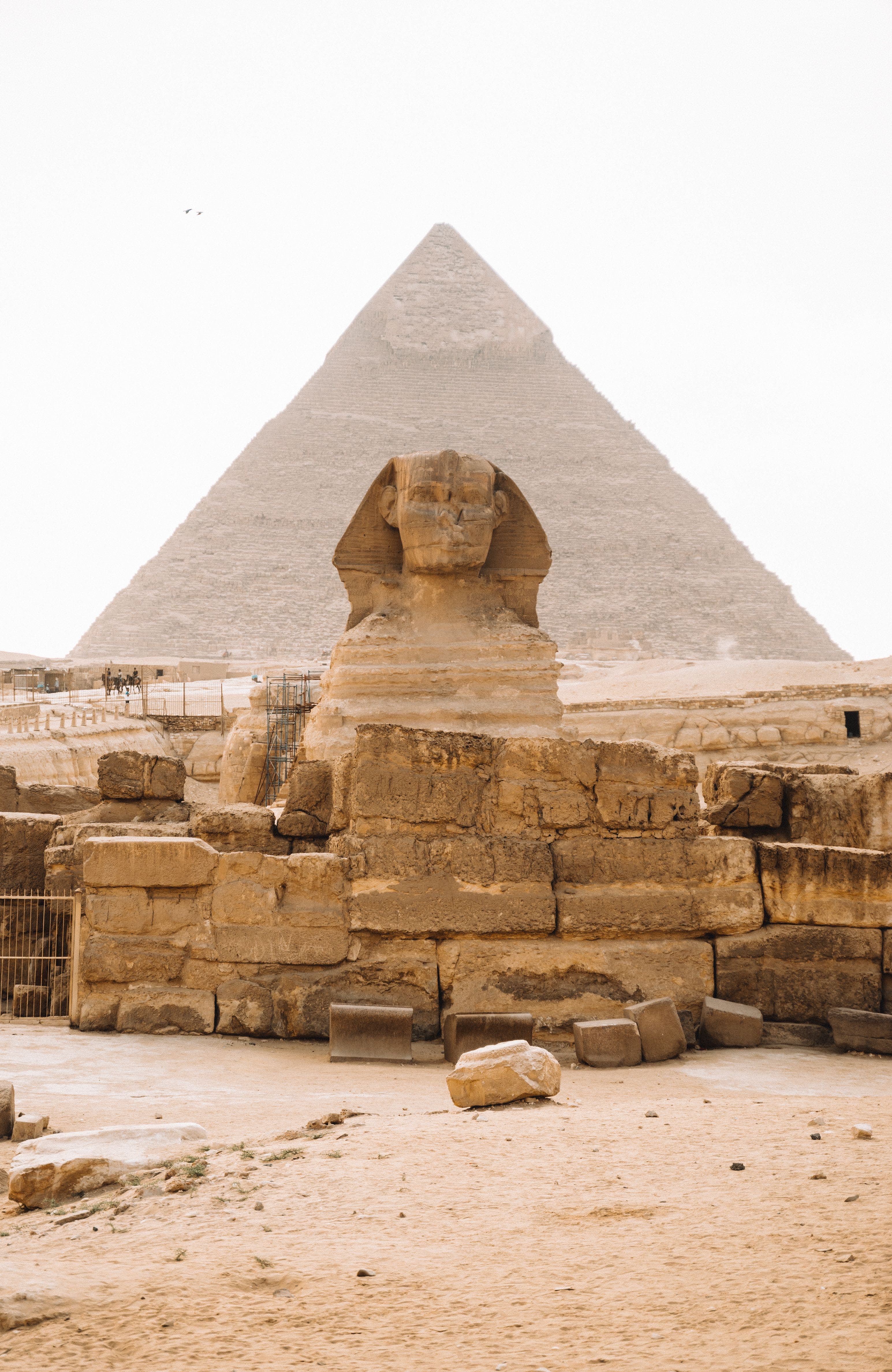
Egypt’s tourism story has moved beyond recovery. International arrivals rose from approximately 8 million in 2021 to nearly 19 million in 2025. The next challenge is converting rapid growth into higher spending, longer stays, better jobs and sustainable value for destinations and local businesses.
Tourism is more than a leisure industry
Egypt combines world-famous heritage with the Nile, Red Sea and Mediterranean coastlines, desert landscapes, diving, wellness, religious travel and year-round resorts. This diversity makes tourism a powerful source of foreign currency and economic activity across multiple regions.
Visitor spending extends far beyond hotels to airlines, transport, restaurants, retail, tours, property operations, marine activities and local suppliers. Tourism’s economic footprint is therefore much wider than the businesses classified directly within the sector.
Official Egyptian investment data reports tourism revenues of about USD 16.7 billion in FY2024/25 and a direct contribution of 3.7% of GDP. The World Travel & Tourism Council uses a broader measure that includes direct, indirect and induced effects. On that basis, travel and tourism contributed EGP 1.4 trillion, or 8.5% of Egypt’s economy, in 2024 and supported approximately 2.7 million jobs.
Five years of visitor growth
Year | International arrivals | Approx. annual change |
2021 | 8.0 million | Recovery begins after the pandemic |
2022 | 11.7 million | ≈ 46% |
2023 | 14.9 million | ≈ 27% |
2024 | 15.7–15.8 million | ≈ 6% |
2025 | Nearly 19 million | ≈ 21% |
From 2021 to 2025, arrivals increased by roughly 137%, equivalent to a compound annual growth rate of about 24%. The Ministry of Tourism and Antiquities reported that 2025 set a new annual record, with nearly 19 million visitors—around 21% more than in 2024 and significantly faster than global tourism growth.
This distinction matters. By 2024, global tourism had largely recovered to pre-pandemic levels, according to UN Tourism. Egypt’s strong 2025 performance therefore represents more than a simple post-COVID rebound; it indicates real expansion in demand and market reach.
What has supported the increase?
1. Better infrastructure and air connectivity
Improved roads, airports and scheduled and charter flights have strengthened access between Cairo, the North Coast, the Red Sea and Upper Egypt. This is fundamental: visitor growth cannot sustainably exceed the capacity of airline seats, airports and ground transport.
2. The Grand Egyptian Museum and the renewal of cultural tourism
The Grand Egyptian Museum is the flagship project in Egypt’s effort to present its heritage through a modern, world-class visitor experience. Its value is not limited to attracting more people. It can help Egypt draw higher-spending cultural travellers, encourage longer itineraries, and connect Cairo and Giza more effectively with Luxor, Aswan and the Red Sea.
Related investment in the Giza Plateau, the National Museum of Egyptian Civilization, Luxor’s Avenue of Sphinxes and other sites has widened Egypt’s cultural product beyond a single monument or one-day visit.
3. A broader map of year-round destinations
Egypt’s tourism map is becoming more diverse. Investment has expanded the appeal of the Red Sea, Hurghada, El Gouna, Makadi, Soma Bay, the North Coast, New Alamein and Ras El Hekma, while Siwa, Fayoum, religious routes, yachting and wellness create additional reasons to visit.
This diversification reduces seasonality and lets travellers combine heritage, beach, nature and lifestyle experiences in one trip.
4. Digital services, promotion and easier market access
Digital visitor services, electronic ticketing, online entry procedures, international promotion and airline incentives have reduced friction. Their value, however, still depends on consistent service after arrival.
5. Private investment and hotel capacity
The National Sustainable Tourism Strategy 2030 prioritises infrastructure, technology, skills and protection of natural and cultural assets, supported by investment incentives for hotels, eco-tourism, transport, yachting and visitor services.
Hotel capacity is the main pressure point. If visitor numbers grow faster than rooms, flights, trained staff and local infrastructure, the result may be higher prices and lower service quality rather than sustainable economic value.
What should Egypt expect in 2026?
The working national objective for 2026 is approximately 21 million international visitors, up from nearly 19 million in 2025—growth of about 10.5%. Egypt received around 6.1 million visitors in the first four months of 2026, while first-quarter arrivals were reported to be 15.6% higher year on year. These indicators make the target achievable, but not guaranteed.
Tourism remains exposed to regional conflict, travel advisories, aviation costs, economic conditions in source markets and hotel capacity. A sensible 2026 planning range is therefore approximately 20–21 million visitors, provided there is no major geopolitical or aviation shock. The range is an analytical estimate, not an official forecast.
Can Egypt reach 30 million tourists by 2030?
Egypt’s stated ambition is to attract 30 million tourists annually by 2030. Moving from 19 million in 2025 to 30 million in 2030 requires compound annual growth of approximately 9.6% for five consecutive years. The mathematics is possible; the operating challenge is substantial.
Reaching the target sustainably will require:
Hotel-room growth and air-seat growth to move together;
More direct routes from both established and emerging source markets;
Consistent service standards and stronger workforce training;
Simpler booking, payment, transport and attraction access;
Higher average spending and longer stays—not only more arrivals;
Protection of beaches, coral reefs, heritage sites and local character; and
Greater participation by local businesses and communities in tourism value chains.
The real objective should not be 30 million arrivals at any cost. It should be 30 million well-served visitors whose spending creates jobs, supports investment and protects the assets that brought them to Egypt in the first place.
The next stage: from destinations to integrated experiences
Egypt has moved from recovery to record growth. Infrastructure, airports, cultural projects, the Grand Egyptian Museum, expanding coastal destinations and digital services have helped build that momentum. The next phase should be measured by more demanding indicators: average spend per visitor, length of stay, repeat visits, service quality, skilled employment and the share of tourism value retained by Egyptian businesses and communities.
Egypt does not simply need more tourists. It needs to turn its exceptional diversity into connected, reliable experiences that encourage visitors to stay longer, spend more and return.
VBS perspective: This growth creates opportunities across hospitality, managed stays, mobility, property services and investment support. But opportunity will favour operators that deliver verified inventory, responsive on-ground service and a consistent client journey—not businesses that rely only on rising demand.